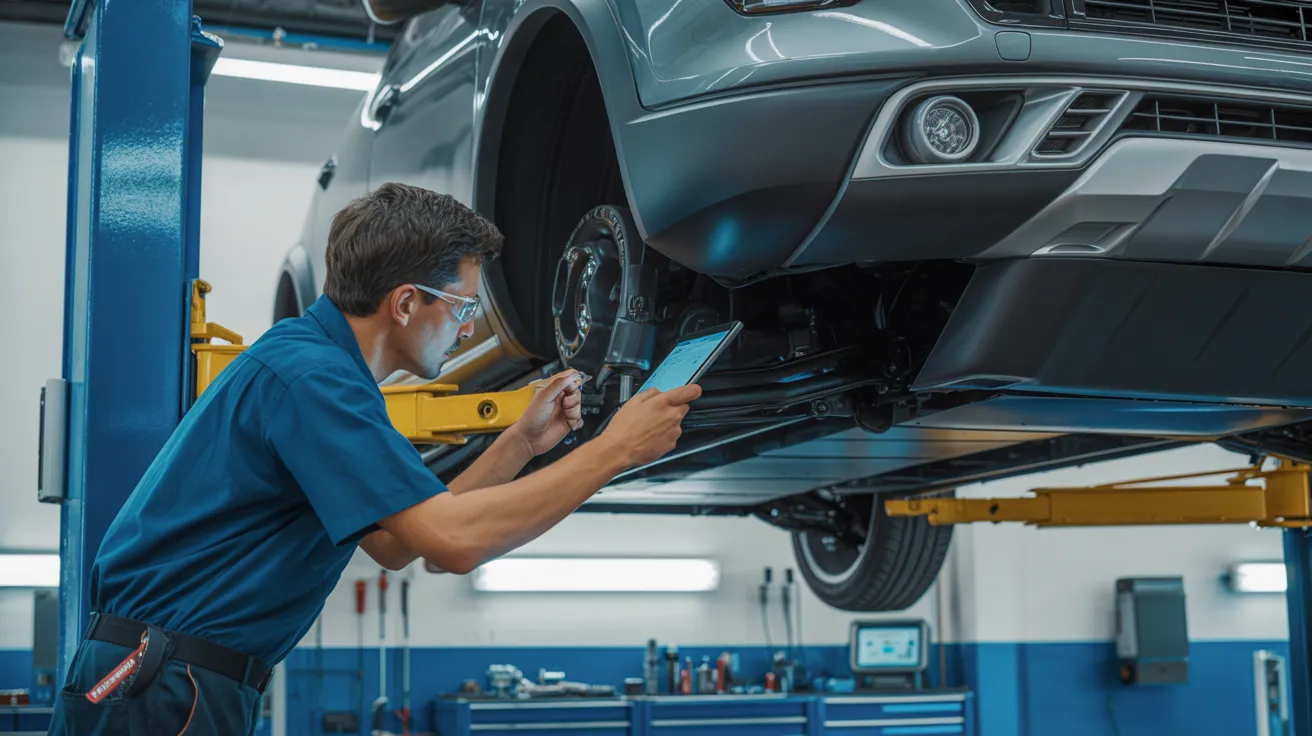
A trustworthy Plainfield auto repair shop employs OEM-grade scan tools, complies with factory procedures, and records faults with readings, photos, and precise test results. Ask whether technicians hold ASE certifications, explain warning lights and root causes precisely, and provide written estimates before work begins. Prioritize shops that examine brakes, tires, steering, suspension, cooling, and charging systems, particularly after leaks, vibrations, or alerts. A few key checks will show which shop earns your confidence.
Key Takeaways
- Choose Plainfield auto repair shops with ASE-certified technicians, valid state licensing, and documented inspections using scan data, measurements, and photos.
- Prioritize mechanics who use OEM-grade diagnostic tools and manufacturer procedures to confirm root causes and avoid unnecessary parts replacement.
- Obtain written estimates, transparent authorization steps, realistic timelines, and warranty terms before approving any repair work.
- Handle safety-critical issues first, including brakes, tires, steering, suspension, warning lights, leaks, vibrations, and uncommon noises.
- Schedule routine inspections before long trips, after extreme weather, or when performance, braking, handling, or fluid conditions obviously change.
How to Find a Trusted Plainfield Mechanic
Selecting a Plainfield mechanic necessitates you to check the shop's certifications, diagnostic methods, and customer service standards.
Check that the shop has ASE certifications, state licensing, and technicians who document findings with scan data, metrics, and photos.
Reliable shops will deliver written estimates, transparent consent steps, and realistic completion timelines before work initiates.
Search for Certified inspections that comply with manufacturer processes rather than guesswork.
Require precise explanations of fault codes, root causes, and advised actions.
Reading customer testimonials assists you evaluate consistency, transparency, and follow-through, particularly when reviews note accurate diagnostics and honest updates.
A reliable mechanic also keeps an organized facility, uses calibrated equipment, and explains warranty terms in writing.
When a shop evades specifics, pressures you, or changes pricing without approval, depart quickly.
You should trust shops that log everything clearly.
Which Auto Repair Services Are Most Vital?
Focus on maintenance services that directly influence safety, drivability, and ongoing running costs. You need to direct attention first on brakes, tires, steering, and suspension since these systems determine stopping distance, traction, and vehicle stability. Suspension alignment is vital because wrong angles hasten tire wear, reduce fuel mileage, and weaken handling under braking or cornering.
After that, tackle engine diagnostics and transmission performance. Accurate engine diagnostics detect misfires, sensor faults, fuel-delivery problems, and emissions issues before they develop into catalytic converter or internal engine damage. You should also focus on cooling system service, battery and charging checks, and fluid inspections. Overheating, voltage irregularities, and contaminated fluids can initiate expensive failures fast. Finally, never ignore warning lights, strange noises, vibrations, or leaks. Early repair service usually costs less and safeguards reliability, efficiency, and safety.
Methods to Evaluate Plainfield Car Repair Shops
Before you pick a Plainfield vehicle repair shop, assess each shop on inspection competence, mechanic's expertise, guarantee terms, and interaction standards. Verify that the shop uses factory-grade scan tools, up-to-date service data, and established testing procedures instead of guesswork. Inquire whether repair technicians hold ASE credentials and receive ongoing training for modern systems, hybrids, and additional article ADAS features.
Next, evaluate how the center communicates results, calculates labor costs, and handles extra work requirements. You should obtain transparent inspection findings, parts specifications, and honest turnaround timelines. Review customer testimonials for trends regarding correctness, service quality, and follow-up support not isolated accolades or criticism. Lastly, compare warranty plans meticulously. Reputable shops outline coverage length, covered components, labor reimbursement, and claim protocols in detail, so you can see precisely what coverage you're securing before approving repairs.
When Should You Arrange Auto Repair?
Once you've assessed Plainfield car repair shops, the following step is understanding the proper time to schedule service.
You should arrange auto repair whenever your vehicle shows noticeable changes in capability, handling, braking, starting, or fluid condition.
Warning lights, vibration, odd noises, hard shifts, overheating, and continuous odors indicate systems that demand timely evaluation.
Also book standard inspections at manufacturer-recommended mileage intervals, before lengthy trips, after extreme weather exposure, and when seasonal temperature changes affect batteries, tires, or cooling systems.
If your car pulls, idles roughly, leaks, stalls, or loses fuel efficiency, don't delay for the problem to worsen.
Seek emergency diagnostics immediately after dashboard alerts, collision impact, unexpected power loss, smoke, or brake abnormalities.
Timely service helps you copyright safety, reliability, drivability, and compliance with service schedules.
How Plainfield Repair Shops Help You Save You Money
Choose a certified Plainfield mechanic, and you'll often reduce your overall vehicle costs through accurate diagnostics, scheduled maintenance, and efficient repairs. Technicians who check faults with scan tools, pressure testing, and manufacturer procedures allow you to prevent guesswork, unneeded parts replacement, and repeat visits. Precise diagnostics help identify the true cause, whether it's a sensor failure, charging issue, or drivability problem.
Costly systems are safeguarded by preventive maintenance before wear becomes failure. You lower breakdown risk and lengthen component life when you stay on schedule for fluid exchanges, brake inspections, belt replacement, and tire service. Developing problems are detected quickly by skilled mechanics, including leaks, uneven tire wear, and battery weakness. Instead of shelling out for major damage, towing, lost time, and emergency service later, you can plan smaller repairs now.
FAQ
Are Shuttle Services or Loaner Vehicles Provided by Plainfield Mechanics?
Absolutely, several Plainfield service shops offer customer transportation service, and some include loaner cars during your repair. You should validate availability, booking limits, mileage limitations, insurance prerequisites, and eligibility before scheduling. Shops often keep loaner vehicles for significant repairs or extended diagnostics, while customer shuttles typically cover nearby destinations only. If you want transportation, ask about prior reservations, license verification, fuel policies, and turnaround time when booking service.
May I Request OEM Parts Rather Than Aftermarket Replacements?
Indeed—you can specify OEM parts in place of aftermarket alternatives. Savvy shoppers request OEM parts when you require accurate fit, OEM-quality materials, and reliable performance. You should check availability, pricing, and installation specifics before agreeing to repairs. Inquire whether the parts include a OEM warranty and how that coverage compares with aftermarket alternatives. You'll also require the estimate to explicitly list part type, brand, and warranty terms for complete documentation.
Are Saturday or After-Hours Drop-Off Options Provided?
Yes, you can often take advantage of after hours keydrop and weekend concierge options for extra accessibility. You'll generally place your keys in a secure lockbox, note your vehicle issues, and consent to diagnostics or repairs ahead of time. You should confirm cutoff times, pickup procedures, and any security requirements before arrival. If you require weekend concierge support, ask whether staff manage vehicle intake, updates, approvals, and final handoff outside regular business hours.
Do Repair Shops Provide Digital Inspection Reports With Images?
Yes, many repair shops supply digital reports with photo documentation. You access inspection findings by text or email, and you can examine technician notes, tracked values, and proposed repairs instantly. These digital reports assist you validate component condition, assess urgency, and greenlight work with certainty. You should demand clear images, documented findings, and clear estimates. If a shop doesn't supply photo documentation, you should ask how it confirms repair suggestions.
Can I Bring My Own Parts for Auto Repairs?
You can often use your own parts for auto repairs—it's like bringing your own materials to a chef—but each facility's parts policy determines whether they'll allow them. It's crucial to verify whether they allow owner supplied materials, because numerous shops cap warranties, deny labor warranties, or won't accept critical safety parts. Moreover, you should check fitment, quality, and OEM compatibility before authorizing work to sidestep delays, redo, inspection failures, or extra labor fees.
Conclusion
Your choice of a trusted Plainfield mechanic shields both your automobile and your budget. AAA findings indicates that U.S. drivers spend an average of $9,666 per year to own and run a vehicle, so every repair call is significant. When you compare certifications, diagnostic capability, service openness, and maintenance intervals, you'll reduce the chance of repeat failures and avoidable expenses. Book service before minor wear becomes major damage, and you'll keep your car safer, more reliable, and less expensive to maintain.